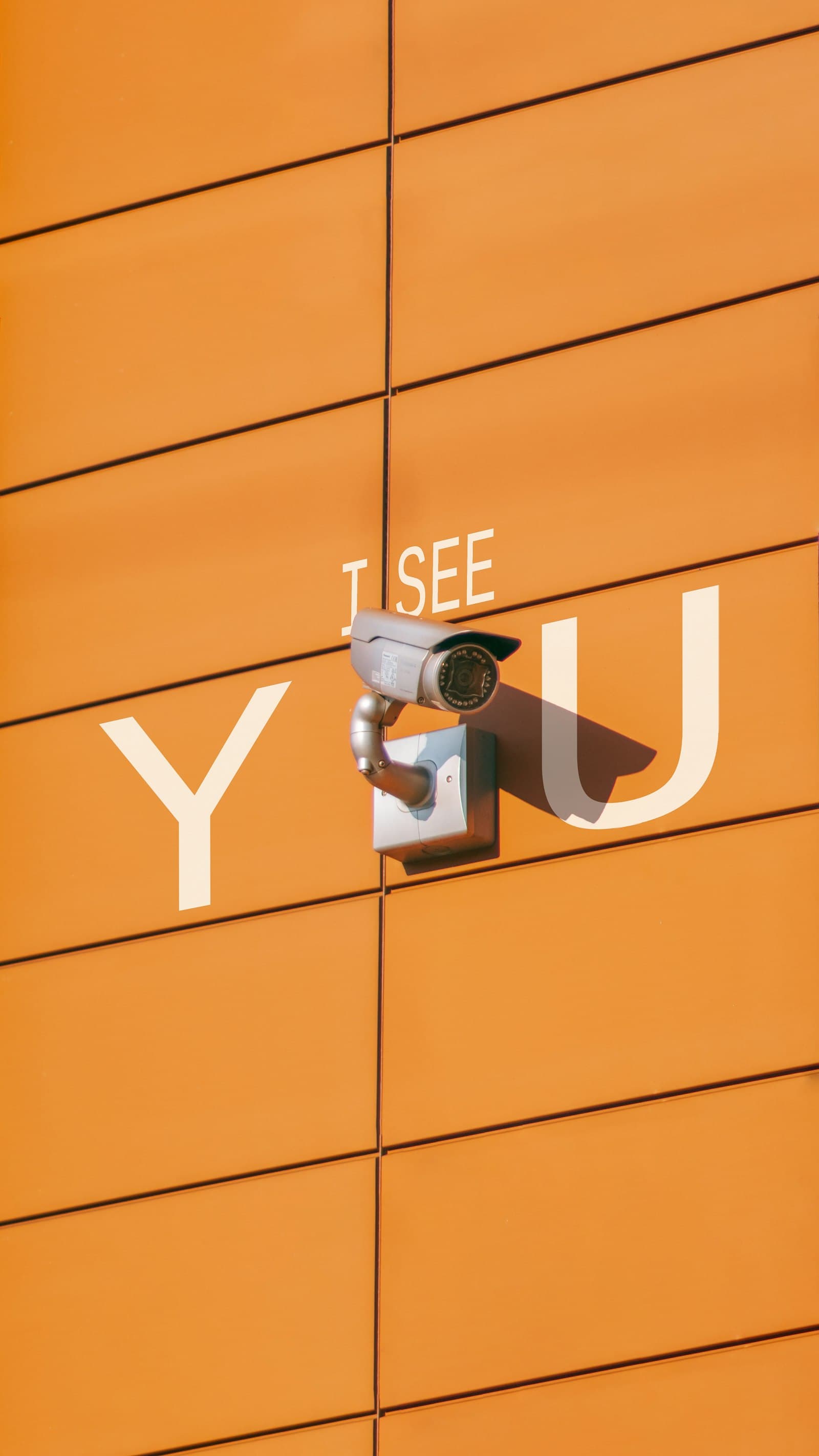
When incidents really happen — and why real-time awareness beats next-morning review every time.
Ask a room of facility managers when they think most losses happen, and you'll get a range of guesses. Look at the footage, and a clear pattern emerges: the overwhelming majority of theft and trespassing happens when a site is closed and no one is watching.
The quiet hours are the risky hours
Empty buildings, dark yards, and unattended equipment are exactly the conditions opportunistic theft looks for. The traditional answer — review the footage the next morning — means you always learn about it too late to do anything.
Real-time beats retrospective
The difference between knowing at 2 a.m. and knowing at 8 a.m. is the difference between stopping an incident and documenting one. Real-time awareness closes that gap:
- Detects intrusions the moment they happen
- Alerts the right person with the clip attached
- Gives responders time to act, not just review
- Keeps working overnight without a human on watch
You can't respond to something you won't see until morning. The whole game is closing the gap between event and awareness.
That's why the sites that move from next-morning review to real-time monitoring so often report after-hours losses dropping toward zero. Nothing about the cameras changed — only how fast someone knew.